Forklift Engine Water Pumps
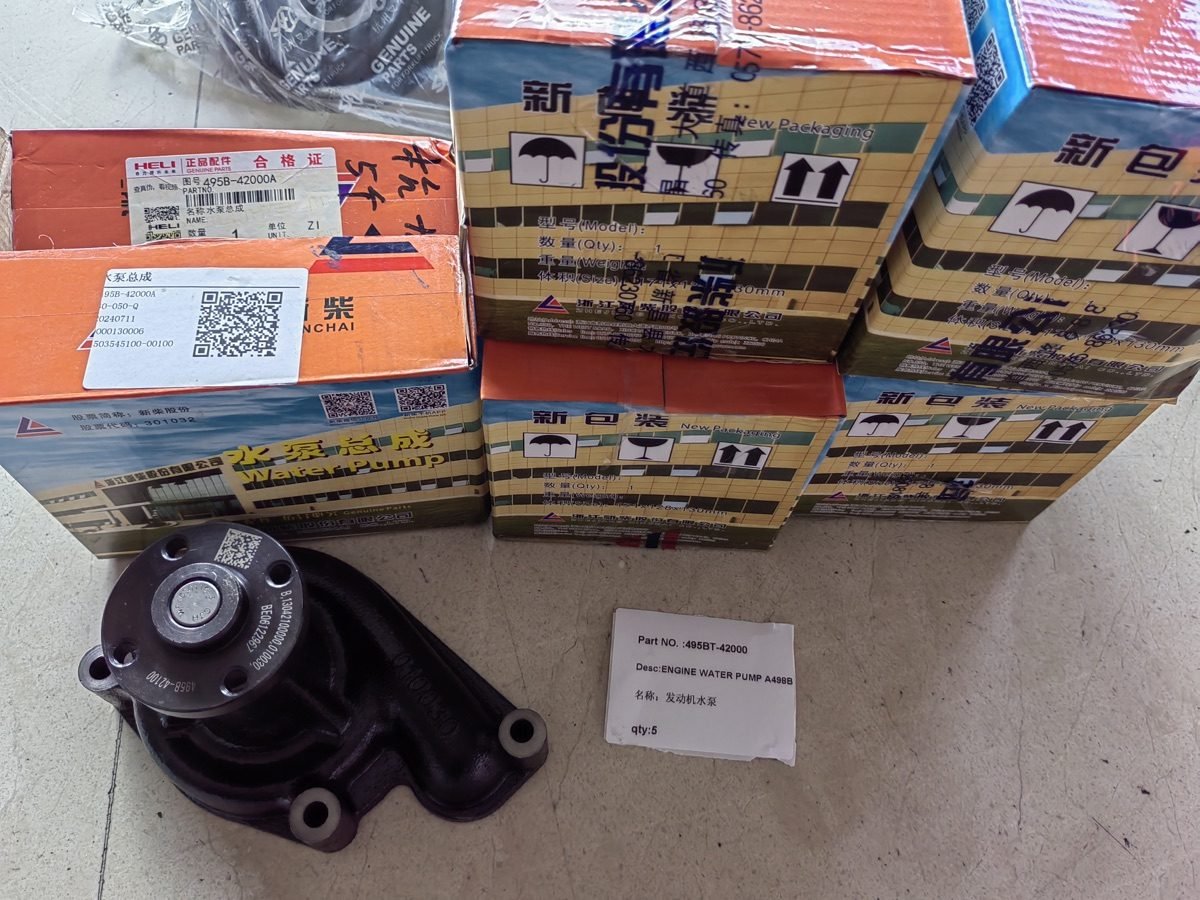
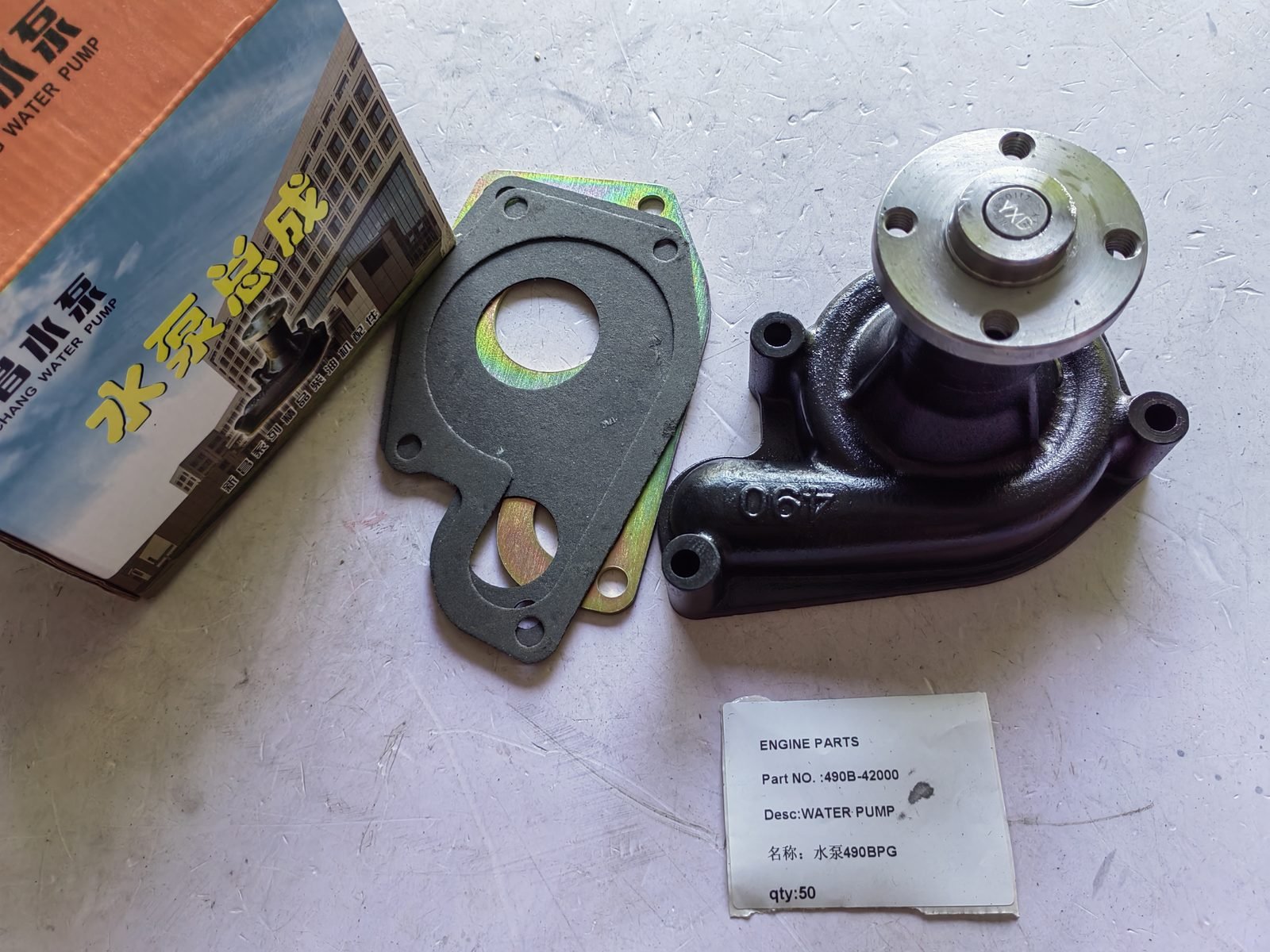
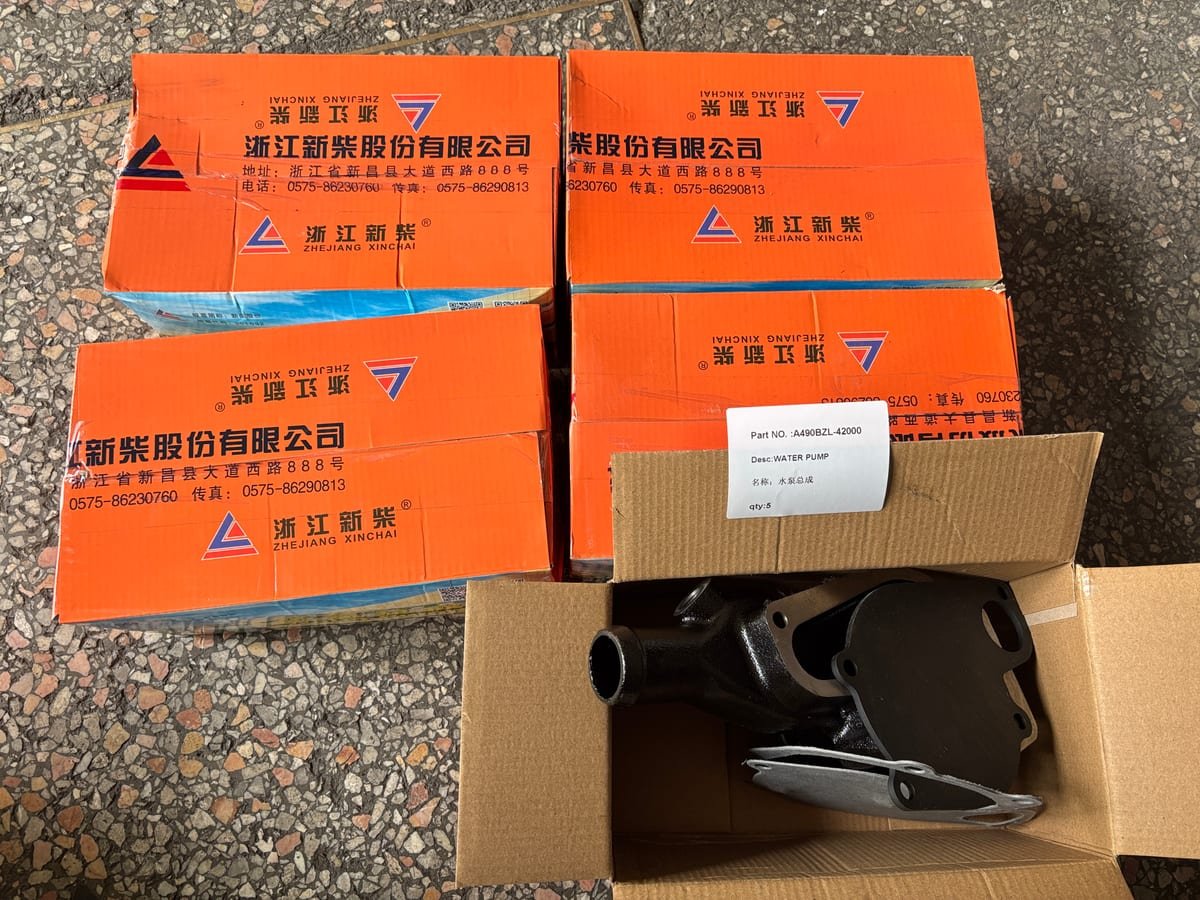
The references shown here belong to the same component family but are not assumed interchangeable. Compare the real product photo, brand and part number, then confirm the truck and installation details before quotation.
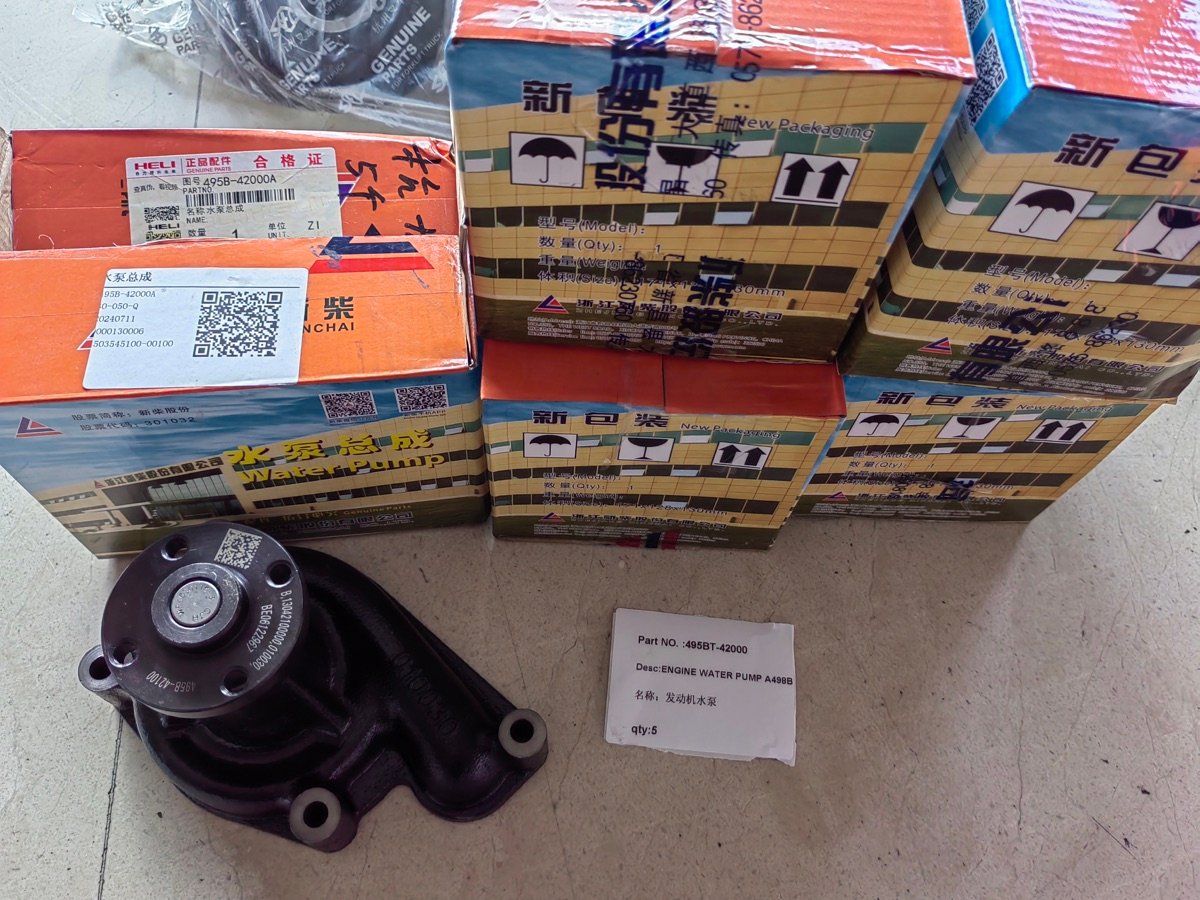
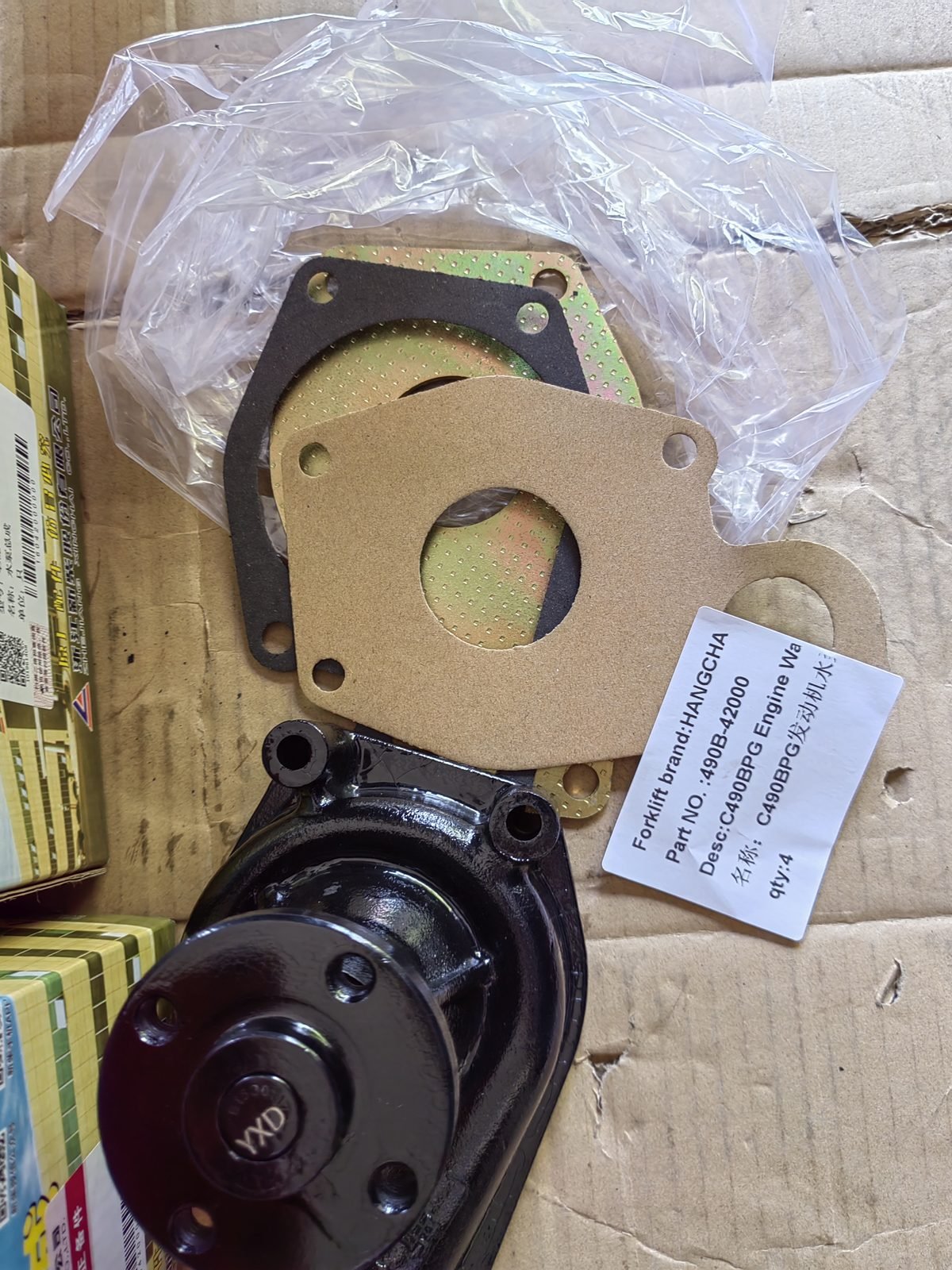
What a Forklift Engine Water Pump Does
The engine water pump circulates coolant through the engine block, cylinder head and radiator. On a forklift, it works in a confined engine compartment where blocked radiator fins, ageing hoses, belt condition and long low-speed operation can all raise cooling-system temperature. Replacing the pump without checking the complete cooling circuit can leave the original overheating problem unresolved.
Where is the water pump located?
It is normally mounted on the front or side of the engine and driven by a belt, gear or pulley arrangement. The exact housing, mounting holes, pulley offset and hose connections depend on the engine model—not only the forklift brand.
What are the common failure signs?
Coolant leakage from the pump weep hole or gasket area, bearing noise, pulley play, repeated overheating, poor coolant circulation and traces of rust or dried coolant around the housing are typical warning signs.
What can be mistaken for pump failure?
A blocked radiator, loose or glazed drive belt, thermostat fault, damaged fan, collapsed hose, air trapped in the cooling system or incorrect coolant can produce similar symptoms. These items should be checked before the pump is condemned.
Why is the engine model essential?
The same forklift series can be supplied with different engines. Water pumps that look alike may use different impellers, pulley offsets, gasket faces or inlet positions. The engine nameplate and old-pump reference give a far safer match than appearance alone.
Workshop Check Before Ordering
- Record the forklift brand, model and serial number.
- Photograph the engine nameplate and the number on the old pump.
- Compare mounting-hole pattern, housing depth, pulley or fan interface, inlet and outlet positions.
- Check whether a gasket, O-ring, studs or pulley must be supplied with the pump.
- Confirm the cause of failure so the new pump is not damaged by a blocked radiator, belt fault or contaminated coolant.
Genuine or Reliable Replacement Water Pump?
| Supply choice | When it makes sense | What must be checked |
|---|---|---|
| Genuine part | Preferred when the truck is under strict fleet control, traceability is required, the exact engine version is uncertain, or downtime risk is more important than purchase price. | Brand packaging, part reference, engine application and supplied accessories. |
| Established OEM-quality replacement | A practical option for regular maintenance fleets when the manufacturer, material quality, bearing and seal specification can be verified. | Manufacturer identity, warranty terms, dimensional match and documented engine application. |
| Low-cost aftermarket part | Price may be lower, but quality varies widely. It should not be selected from a photograph or cross-reference alone. | Bearing life, mechanical seal quality, casting and impeller accuracy, warranty and supplier responsibility. |
There is no single market price for a forklift water pump. Price changes with the engine family, genuine or replacement status, included pulley or gasket, manufacturer quality and order quantity. The useful comparison is the complete installed cost: correct pump, installation time and the risk of another cooling-system failure.
Inspection and Maintenance Notes
There is no universal replacement interval for an engine water pump. During routine service, inspect for coolant traces, shaft play, bearing noise, belt condition and stable operating temperature. Coolant should follow the engine manufacturer’s specification and service interval. Mixing incompatible coolant or running with contaminated water can shorten seal and bearing life.
Send the Engine Information Before We Quote
Provide the engine nameplate, old-pump label, clear front and side photos, mounting face, pulley or fan connection, hose positions and required quantity. Our parts team will compare the reference and visible details before confirming the supply option.
Forklift Water Pump Questions
Not reliably in every case. One truck series may use more than one engine. The engine model and old-pump reference should be checked together.
No. Leaks may also come from hoses, clamps, thermostat housings, radiator seams or nearby gaskets. Clean the area and identify the leak path before ordering.
Yes, when the engine application, dimensions, seal and bearing quality, manufacturer and warranty are documented. A very low price without traceable specifications is not a reliable saving.
Related pages: forklift engines and engine parts, Hangcha forklift parts, and the forklift parts directory.
1. Confirm the fault
Check the system before replacing the component. Related wiring, hoses, seals, fluid condition, mechanical load or controller faults can create similar symptoms.
2. Identify the part
Use the product label, truck model, serial number, installation position and clear photos. Visual similarity alone is not enough.
3. Compare supply options
Use genuine parts when traceability, safety or exact electronic compatibility is critical. A documented OEM or aftermarket option may reduce routine maintenance cost when its specification is verified.
4. Confirm before dispatch
Review the final part number, supply status, product photographs, quantity and delivery arrangement before shipment.